
ProductsDetails
External wall insulation net
1、 Basic Attributes and Craftsmanship
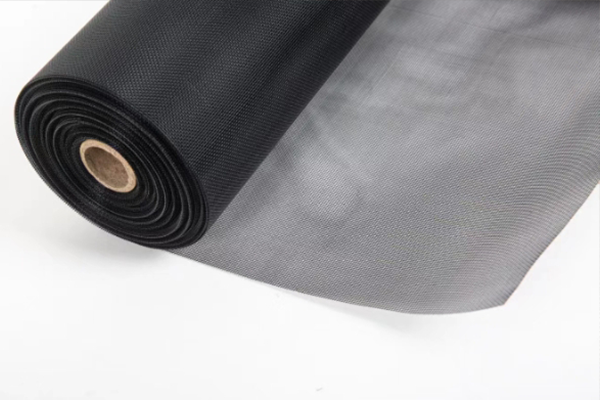
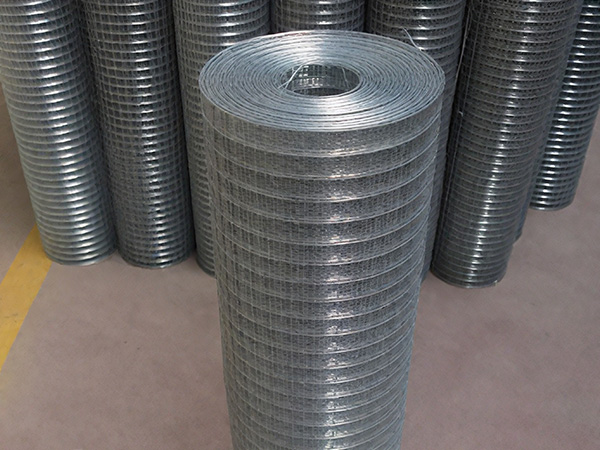
External wall insulation mesh is an important auxiliary material in building external wall insulation systems, mainly processed from low-carbon steel wire, galvanized steel wire or glass fiber as raw materials. Among them, metal insulation nets are usually formed by using automated welding equipment to cross weld steel wires vertically and horizontally, forming a uniform mesh structure; Fiberglass material is made through weaving process and has good tensile resistance. Part of the metal insulation mesh will be galvanized to enhance its corrosion resistance in humid environments and confirm its stability for long-term use inside the wall.
2、 Product Features
Enhance integrity: When laid in the external wall insulation layer, it can effectively disperse the stress caused by temperature changes and external impacts on the insulation material, reduce the possibility of cracking and falling off of the insulation layer, enhance the bonding force between the insulation system and the wall base, and improve the stability of the overall structure.
Good adaptability: The mesh size can be customized according to the needs, and can be fully combined with insulation mortar, plastering adhesive and other materials, so that the adhesive can penetrate into the mesh and form a solid whole, which will not affect the thickness of the insulation layer and can also play a binding role.
Convenient construction: The mesh material is relatively lightweight and can be cut and spliced according to the wall size. The laying process is simple and can be well coordinated with the external wall insulation construction process, without adding too much construction difficulty.
Strong performance stability: After surface treatment, metal insulation mesh can resist moisture erosion inside the wall, while glass fiber material itself has good corrosion resistance (based on actual reports), which can maintain stable performance in long-term use and match the service life of building exterior walls.
3、 Common specifications
Material classification:
Metal type: mainly composed of low-carbon steel wire and galvanized steel wire, with wire diameter usually between 0.3mm-0.9mm, suitable for insulation systems that require higher strength.
Fiberglass: The diameter of a single fiber is relatively small, usually ranging from a few micrometers to tens of micrometers, with a light overall weight and good flexibility, suitable for insulation scenarios that are sensitive to weight.
Mesh size: Common mesh sizes include 12.7mm × 12.7mm, 19.05mm × 19.05mm, etc., which can be selected according to the thickness of the insulation layer and the type of adhesive to confirm the bonding effect with the insulation material.
Size specifications: The width of the mesh is generally 0.914m, 1m, 1.2m, 1.5m, etc., and the length is 50m-100m, which can meet the construction needs of different wall areas and can also be customized according to the actual situation.
4、 Applicable scenarios
New building exterior wall insulation: In the exterior wall insulation engineering of new residential, office and other buildings, exterior wall insulation mesh is an excellent material. Placed between the insulation layer and the plaster layer, it can effectively prevent the insulation layer from cracking due to building settlement and temperature changes, and protect the long-term effectiveness of the external wall insulation system.
Renovation of old building exterior walls: When renovating the exterior wall insulation of old buildings, the use of exterior wall insulation mesh can enhance the adhesion between the new insulation layer and the original wall, compensate for the possible unevenness and insufficient strength of the old wall base, and improve the stability of the renovated insulation system.
Buildings in different climate regions: Whether it is buildings in cold regions that require innovative service insulation effects or buildings in warm regions that focus on insulation, the external wall insulation network can be adapted to different insulation materials (such as polystyrene board, rock wool board, insulation mortar, etc.) to assist in improving the thermal insulation performance of the external wall (based on actual reports) and reducing indoor and outdoor heat exchange.
5、 Precautions for use
Before construction, it is necessary to confirm that the wall base is flat, clean, and free of floating ash, oil stains, and other impurities, in order to protect the excellent combination of the insulation net and the base.
When laying, the mesh should be protected to be flat, and the overlap width should comply with the construction specifications (usually not less than 50mm) to avoid wrinkles and curling, which may affect the bonding effect with the adhesive.
During the cutting and installation process of metal insulation mesh, attention should be paid to avoiding scratches. If the surface coating is damaged, anti-corrosion treatment should be carried out in a timely manner (based on actual reports) to prevent rusting inside the wall and affect the stability of the insulation system performance.
During the construction of fiberglass insulation mesh, operators are advised to wear protective gloves to avoid discomfort caused by fiber contact with the skin.
 Recommended News
-
Technical guide for installation of spray coated stainless steel mosquito nets
2025-07-20 08:51:42
-
Why does stainless steel mosquito net deform shortly after use
2025-07-20 08:49:17
-
Is it difficult to clean stainless steel mosquito nets?
2025-07-20 08:42:16
-
Key points for selecting materials for welded mesh
2025-07-20 08:39:04
-
Unveiling the Manufacturing Process of Welded Mesh: From Material Selection to Welding
2025-07-20 08:38:03
Contact us
—— Contact:Mr. Hu
—— Tel:+8615832823281
—— Email:tuochenmesh@foxmail.com
—— Url:http://www.anyaochenwiremesh.com
—— Address:No. 9 Lituan Village, Anping Town, Anping County, Hengshui City, Hebei Province